

 See My Latest Article on HelloNation
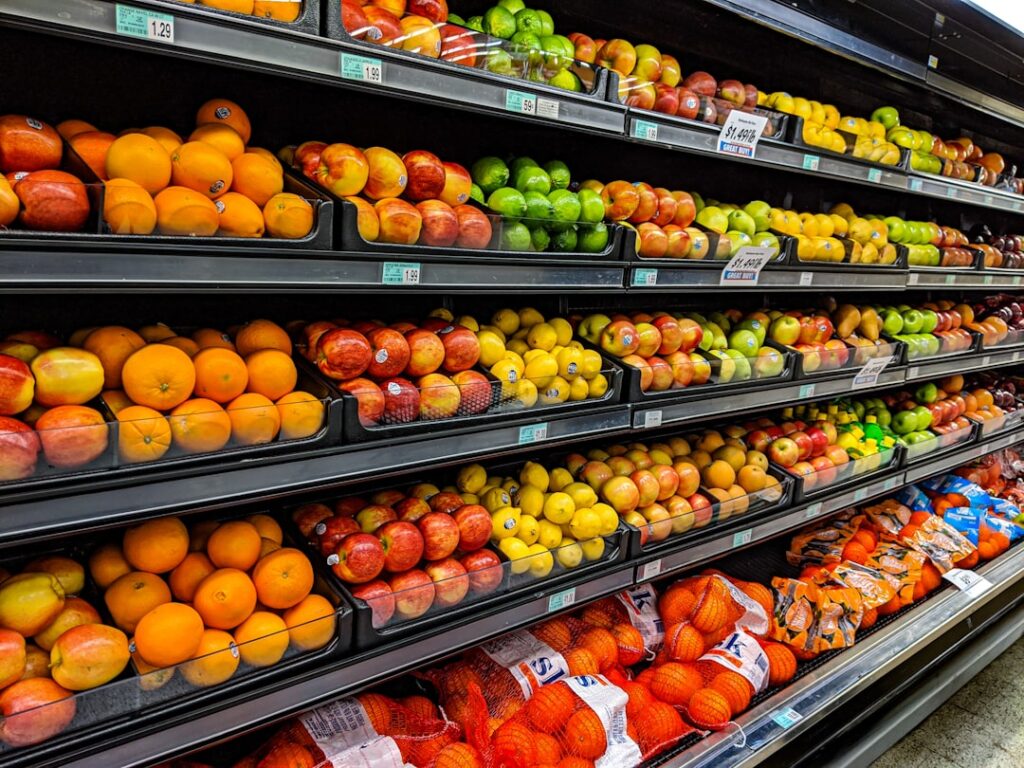
How Do You Know if Produce Is Fresh?
Fresh produce is identified by its appearance, firmness, and aroma. Residents often wonder if specific visual cues or feel can indicate freshness.
Look for fruits and vegetables with vibrant, consistent color, free from dark spots, bruises, or shriveling. Firmness is key: produce like apples, cucumbers, and peppers should feel solid for their size, not soft or spongy. Smelling produce—especially items like melons, tomatoes, and citrus—can also help. A pleasant, characteristic scent at the stem end usually signals ripeness.
In local stores, avoid produce that seems overly shiny (sometimes waxed for appearance), feels unusually light for its size (may have started to dry inside), or emits an off or musty odor.
What Are the Best Times of Year for Different Produce in Central, LA?
Seasonality affects quality and taste. In Central, LA, the climate allows for long growing seasons, but certain fruits and vegetables are at their peak at different times:
- Late winter to early spring: Leafy greens, broccoli, strawberries
- Late spring through summer: Tomatoes, cucumbers, sweet corn, peaches, bell peppers, zucchini
- Fall: Squash, pumpkins, sweet potatoes, apples
Shopping for produce in its natural season means better flavor and nutrition. Off-season items are often shipped long distances, which can reduce freshness by the time they reach neighborhood shelves.
How to Spot Hidden Signs of Decline
Some issues aren’t obvious at first glance. Checking under root vegetables’ leafy tops or turning over bags of greens can reveal hidden wilting, yellowing, or decay. Onions and garlic should feel dry and firm; avoid bulbs with green sprouts, which signal aging. For bagged salad mixes, avoid excess moisture or brown leaves.
Another often-missed tip: check the stems. A fresh bunch of carrots or beets has crisp, green tops. If tops are wilted or slimy, the root is likely losing quality as well.
Should You Buy Pre-Cut or Whole Produce?
Pre-cut fruits and vegetables offer convenience, but they lose nutrients and freshness faster after being cut and packaged. Whole produce lasts longer and often tastes better. For example, a whole watermelon or cantaloupe will keep longer and be juicier than pre-sliced options.
If you do select pre-cut items, look for tightly sealed packaging, no excess liquid, and bright, undamaged pieces with no signs of drying or browning.
Are Organic Options Always Fresher?
Organic produce isn’t necessarily fresher by default. It simply refers to how the produce was grown, not how recently it was harvested. Sometimes organic produce sits just as long as conventional items. Regardless of the label, inspect each piece for signs of quality, using the same visual and physical cues.
How Can You Store Produce at Home to Maximize Freshness?
Proper storage helps local households get the most out of their purchases.
- Leafy greens: Store unwashed in the fridge, wrapped loosely in a paper towel inside a container or bag to absorb extra moisture.
- Berries: Refrigerate, unwashed, in a single layer if possible. Wash just before eating to reduce spoilage.
- Tomatoes: Keep at room temperature away from direct sunlight until ripe, then refrigerate to retain freshness a little longer.
- Potatoes, onions, and garlic: Store in a cool, dark, dry place outside the fridge. Keep them separate, as storing together speeds spoilage.
- Bananas: Keep at room temperature.

Misconception: Refrigerating all produce isn’t always ideal. Some fruits lose flavor and texture in cold temperatures. Understanding which items prefer room-temp storage can extend freshness by days.
What Should You Avoid When Picking Produce?
Shoppers sometimes make quick choices that lead to disappointment. Common mistakes include:
- Buying produce that is overly firm (for items that should give slightly when ripe, like avocados, peaches, or plums)
- Overlooking hidden bruises or blemishes, especially on the bottom sides or under leaves
- Accepting wilted, limp, or shriveled vegetables, assuming they will recover at home (they won’t regain their texture)
- Purchasing more than you can reasonably use before spoilage, especially during hot, humid months
How Can You Tell if Produce Was Properly Handled Before Sale?
Temperature, storage, and handling impact shelf life. In the city’s humid climate, produce left unrefrigerated can degrade quickly. Look for signs of poor handling, such as condensation inside packages, mushy spots, or “off” smells. Loose produce should seem dry, clean, and undamaged. If the display case feels warm, those vegetables may not keep as long when you get home.
For items like lettuce, herbs, or mushrooms that wilt easily, a gentle touch—rather than rummaging—helps maintain their quality for others in the community as well.
Tips for Getting the Best Value While Shopping
Even with careful selection, a little flexibility can help area households save money and enjoy fresher options. Choosing “imperfect” produce—such as misshapen carrots or apples with minor blemishes—can offer just as much nutritional value at a lower price, provided there’s no sign of serious spoilage.
Rotating your selection based on what looks best that day, instead of sticking to a rigid shopping list, often leads to fresher and tastier meals at home.