

 See My Latest Article on HelloNation
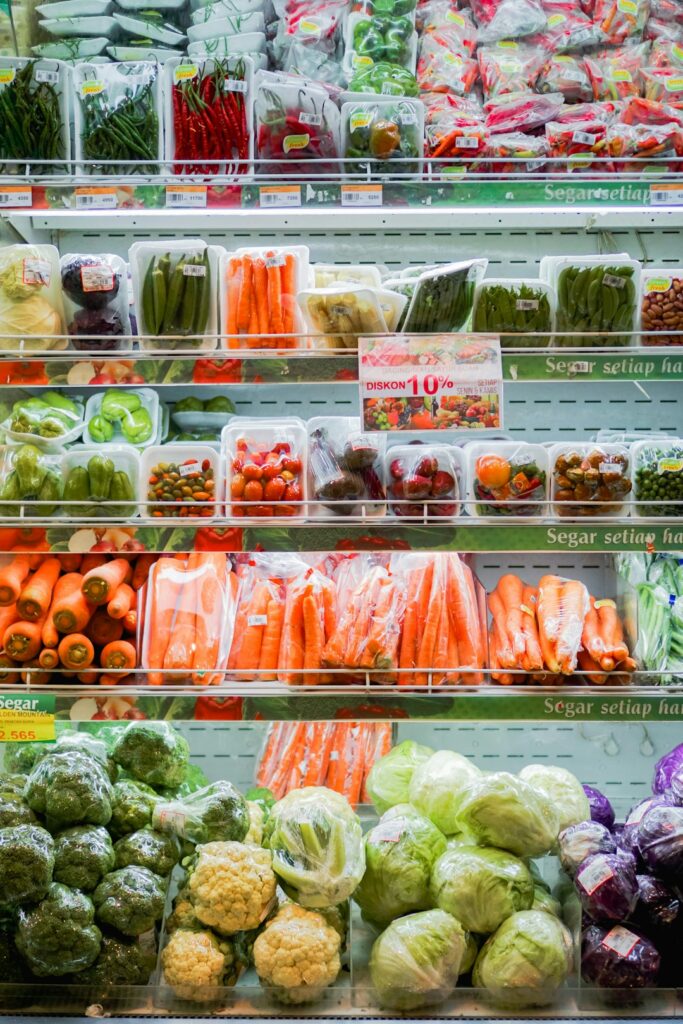
Fresh fruits and vegetables last longer when each item is stored according to its needs. Some produce stays crisp in the refrigerator, while other items lose flavor or develop a mealy texture in cold temperatures. For households in Central, LA, warm, humid weather can also speed up spoilage, especially when produce is left on a counter, stored while damp, or packed too tightly.
The goal is not simply to refrigerate everything. Good storage means controlling temperature, moisture, airflow, and ethylene gas—the natural ripening gas released by some fruits and vegetables.
Should fruits and vegetables be washed before storage?
Most produce keeps longer when it is stored unwashed and cleaned shortly before eating. Extra moisture trapped in a container or bag can encourage mold and soft spots.
If produce must be washed in advance, dry it thoroughly with a clean towel or salad spinner before refrigerating it. Even a small amount of water left around berries, leafy greens, or cut vegetables can shorten their usable life.
A practical routine is:
- Remove damaged or overripe pieces before storing the rest.
- Keep produce dry unless it needs moisture to stay crisp.
- Wash hands, knives, cutting boards, and storage containers before preparing produce.
- Wash fruits and vegetables under running water before eating, even if the peel will be removed.
Soap, bleach, and household cleaners should not be used on food. They can leave harmful residues and do not make produce safer than careful rinsing and clean handling.
Which fruits and vegetables belong in the refrigerator?
Most delicate produce lasts longer in the refrigerator, where cooler temperatures slow moisture loss and spoilage. Use the crisper drawers when possible because they help maintain a more stable environment.
Refrigerate:
- Leafy greens, such as lettuce, spinach, and kale
- Broccoli, cauliflower, cabbage, and carrots
- Green beans, peas, and fresh herbs
- Berries, grapes, cherries, and cut fruit
- Apples, pears, and citrus after they have reached the desired ripeness
- Ripe peaches, plums, nectarines, and similar stone fruits
Berries are especially prone to mold. Store them in a shallow container rather than a deep, crowded bowl. A paper towel beneath the berries can absorb excess moisture, but replace it if it becomes wet.
Leafy greens can be wrapped loosely in a clean towel or placed in a container lined with paper towels. Avoid compressing them, because trapped moisture and limited airflow can cause leaves to wilt or decay.
Which produce should stay on the counter?
Some fruits and vegetables lose quality in the refrigerator or need room-temperature storage to finish ripening. Keep these items on the counter until they are ripe, then refrigerate them if needed.
Common counter-storage items include:
- Bananas
- Whole tomatoes
- Avocados
- Mangoes
- Pineapples
- Unripe peaches and pears
- Garlic, onions, and shallots
- Potatoes and sweet potatoes
Tomatoes often become less flavorful and mealy when chilled. Store them stem-side down at room temperature, away from direct sunlight. Once cut, place them in a covered container in the refrigerator.
Potatoes should be kept in a cool, dark, dry, well-ventilated location—not in the refrigerator and not in a sealed plastic bag. Onions need similar protection but should be stored separately from potatoes because their moisture and gases can contribute to faster spoilage.
In warm homes, the countertop may not be the coolest location. A pantry or cabinet away from the stove, dishwasher, windows, and direct sunlight is usually better.
How should bananas, apples, and other ethylene-producing fruits be stored?
Some fruits release ethylene gas as they ripen. This gas can speed ripening in nearby produce, which may be helpful in some cases but can also cause vegetables to yellow or soften too quickly.
Ethylene-producing fruits include:
- Apples
- Bananas
- Pears
- Avocados
- Peaches
- Plums
- Tomatoes
- Melons

Keep these fruits away from sensitive vegetables such as leafy greens, broccoli, cucumbers, and carrots when possible. For example, storing apples beside lettuce may cause the lettuce to deteriorate sooner.
A fruit bowl is convenient, but it should not become overcrowded. Check it regularly and remove fruit with mold, leaking juice, or significant decay. One damaged item can affect nearby produce.
Does produce need special bags or containers?
Special equipment is not required, but the right container can reduce waste. Produce generally needs either protection from drying out or enough airflow to prevent moisture buildup.
Useful approaches include:
- Perforated bags or vented containers for many vegetables
- Open or loosely covered containers for produce that tends to mold
- Airtight containers for cut fruits and vegetables
- Paper towels in containers holding leafy greens or berries
- Reusable produce bags that are clean and completely dry
Do not seal warm or damp produce in an airtight container. Allowing it to cool and dry first can prevent condensation. Containers should also be large enough that items are not crushed together.
Cut produce should always be refrigerated promptly in a clean, covered container. Cut fruits and vegetables spoil faster than whole produce because more of the food’s surface is exposed to air, moisture, and microorganisms.
How does warm, humid weather affect produce storage?
Warm, humid conditions can accelerate mold growth and softening. During the hottest parts of the year, bring perishable produce indoors promptly after shopping rather than leaving it in a vehicle or on a porch.
A refrigerator should remain cold and should not be packed so tightly that air cannot circulate. Keep the door closed as much as possible, particularly during power interruptions caused by severe weather. If the power goes out, avoid repeatedly opening the refrigerator and discard perishable cut produce if it has been held at unsafe temperatures for too long.
Produce should also be kept away from heat-producing appliances. A bowl of bananas or tomatoes beside a range may ripen much faster than the same bowl placed in a shaded, well-ventilated area.
What should be done with produce that is starting to wilt?
Wilted vegetables are not always spoiled. Lettuce, carrots, celery, and herbs may regain firmness after soaking briefly in clean, cold water and then being dried thoroughly.
Discard produce if it has:
- Visible mold, especially on soft fruits or vegetables
- A sour, fermented, or otherwise unusual odor
- Slimy surfaces
- Extensive leaking or collapse
- Signs of decay spreading beyond a small, firm area
Firm produce with a small damaged spot may sometimes be trimmed generously, but soft produce with mold should generally be discarded because mold can spread below the visible surface.
How long should fresh produce be kept?
Storage life varies by item, freshness at purchase, temperature, and handling. A useful habit is to check the refrigerator and produce area every few days instead of waiting until the end of the week.
Use the most delicate items first, including berries, salad greens, ripe stone fruits, and cut produce. Keep longer-lasting items, such as cabbage, carrots, apples, and citrus, available for later meals.
Writing the purchase date on containers of cut produce can help households use food in a timely way. When in doubt about a questionable item, appearance, texture, and odor provide better guidance than relying on a single universal number of days.