

 See My Latest Article on HelloNation
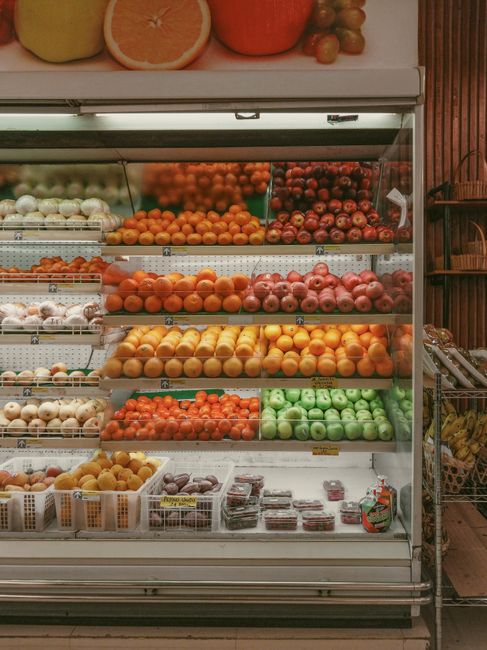
Shopping gluten-free is less about finding a special aisle and more about learning how to identify safe ingredients, recognize cross-contact risks, and build reliable routines. For residents in Central, LA, a practical approach can make grocery trips easier while still allowing meals based on familiar foods, seasonal produce, and household preferences.
What does “gluten-free” mean?
A food labeled “gluten-free” must meet the U.S. Food and Drug Administration’s standard of containing less than 20 parts per million of gluten. The label is voluntary, but it provides a useful starting point for people who need to avoid gluten because of celiac disease or another medically diagnosed condition. ([fda.gov](https://www.fda.gov/food/nutrition-food-labeling-and-critical-foods/questions-and-answers-gluten-free-food-labeling-final-rule?utm_source=openai))
Gluten is found naturally in wheat, barley, rye, and ingredients made from those grains. Common examples include:
- Bread, crackers, pasta, and many baked goods
- Flour, wheat bran, wheat germ, and wheat starch that has not been specially processed
- Couscous, farro, spelt, durum, semolina, and triticale
- Malt flavoring, malt vinegar, and many traditional beers
- Some sauces, gravies, soups, seasoning mixes, and processed meats
Ingredient names can be unfamiliar, so reading the entire label is more dependable than judging a food by its appearance.
Which foods are naturally gluten-free?
Many basic grocery items do not contain gluten when they are sold plain and have not been cross-contaminated during processing. These include fresh fruits and vegetables, plain meat and poultry, fish, eggs, milk, plain cheese, beans, potatoes, and rice.
Other naturally gluten-free grains and starches include:
- Corn and cornmeal
- Quinoa
- Buckwheat
- Sorghum
- Millet
- Certified gluten-free oats
- Cassava, tapioca, and potatoes
The word “natural” does not automatically mean “safe for everyone with celiac disease.” A plain grain, seed, or snack may be processed on shared equipment or placed in a bulk bin where scoops and surfaces are used for multiple products. The Celiac Disease Foundation specifically identifies bulk-bin foods as a cross-contact concern. ([celiac.org](https://celiac.org/what-is-gluten/sources-of-gluten/?utm_source=openai))
How should shoppers read a food label?
Start with the front of the package, but confirm the information on the ingredient panel. A clear “gluten-free” statement can simplify decisions, particularly for packaged foods such as cereal, pasta, bread, frozen meals, and snack foods.
If the product does not carry that statement, look for wheat, barley, rye, or their derivatives in the ingredients. Pay special attention to products that may seem simple but often contain flavorings or thickeners, including:
- Salad dressings and marinades
- Soy sauce and seasoning sauces
- Instant rice or potato mixes
- Deli meats and imitation seafood
- Candy and flavored snack foods
- Canned soups and prepared gravies
- Self-basting poultry
- Meat substitutes and seitan
A “wheat-free” label is not the same as a “gluten-free” label. A product may contain barley or rye even when wheat is absent. Similarly, “organic,” “natural,” and “non-GMO” do not indicate that a food is gluten-free.
When the ingredient list is unclear, the manufacturer’s current allergen or gluten statement may provide more information. Formulas can change, so a familiar package should still be checked periodically.
Are oats safe on a gluten-free diet?
Oats are naturally free of wheat, barley, and rye, but they are often exposed to those grains during growing, harvesting, transportation, or processing. For that reason, people with celiac disease are generally advised to choose oats specifically labeled gluten-free. Some people may also react to avenin, a protein naturally found in oats, so individual medical guidance may be appropriate. ([mayoclinic.org](https://www.mayoclinic.org/healthy-lifestyle/nutrition-and-healthy-eating/in-depth/gluten-free-diet/art-20048530?utm_source=openai))
This issue is easy to overlook because a package may list only oats as an ingredient. The absence of wheat in the ingredient list does not necessarily address cross-contact during production.
What does cross-contact look like in a grocery store?
Cross-contact occurs when gluten from one food is transferred to another food. It is different from a food containing gluten as an ingredient, but it can still matter for someone with celiac disease.
Common grocery-shopping examples include:
- Bulk-bin scoops touching different grains or flours
- Bakery items displayed near gluten-free baked goods
- Shared containers for nuts, candy, or snacks
- Sliced deli foods handled on equipment used for bread
- Prepared foods made in a shared kitchen
- Flour dust settling on nearby items
- Damaged packages with crumbs or powder inside
Sealed, packaged products with a clear gluten-free label are often easier to evaluate than foods from open displays. In warm, humid conditions, damaged packaging can also affect food quality, so inspect bags, boxes, and seals before placing items in the cart.
How can households organize a gluten-free grocery trip?
A consistent shopping pattern reduces label fatigue and accidental purchases. Begin with foods that are naturally gluten-free, such as produce, plain proteins, dairy products, beans, and rice. Then add packaged foods after checking their labels.
It can help to:
- Keep a short list of dependable products and review labels when formulas change
- Shop the perimeter for fresh foods, then move carefully through packaged-food aisles
- Avoid placing unsealed gluten-free foods beneath flour, crackers, or other crumb-producing items
- Use separate reusable bags if gluten-containing groceries are also being purchased
- Check expiration dates and package seals, especially for specialty foods that may sell more slowly
- Plan simple meals before shopping so the cart is not filled with expensive substitutes
Residents managing long, hot, or rainy trips may also want to protect refrigerated and frozen foods with insulated bags. This is a food-safety practice rather than a gluten-specific rule, but it is useful for households making several stops before returning home.
What should be done after groceries come home?
Cross-contact can continue in the kitchen. If one household member eats gluten and another must avoid it strictly, shared items such as cutting boards, colanders, toasters, butter, jam, and condiment jars may need special attention.
Crumbs can enter spreadable foods when the same knife moves from regular bread into a container. A separate container or a clean utensil can reduce that risk. Countertops, refrigerator shelves, and pantry areas should also be kept clean when flour or crumbs are present.
Packaged foods should remain sealed and clearly separated when practical. Many households find it easier to store gluten-free staples on a higher shelf and use clearly marked containers for grains, baking ingredients, and snacks.
Is a gluten-free diet healthier for everyone?
Not necessarily. A gluten-free diet is medically necessary for people with celiac disease and may be appropriate for some people with other diagnosed conditions. However, removing gluten alone does not automatically make a diet more nutritious. Some packaged gluten-free foods can be higher in sugar, sodium, or saturated fat and lower in fiber than their conventional counterparts.
A balanced shopping pattern emphasizes vegetables, fruit, beans, nuts, seeds, plain proteins, dairy or suitable alternatives, and naturally gluten-free grains. Anyone considering a strict gluten-free diet for unexplained symptoms should seek medical advice before making major dietary changes, because testing for celiac disease can be affected after gluten has been removed from the diet.
The most reliable grocery routine is simple: choose clearly labeled products when needed, read every ingredient list, avoid uncertain bulk and open-display foods, and treat cross-contact as part of food safety rather than an afterthought.