

 See My Latest Article on HelloNation
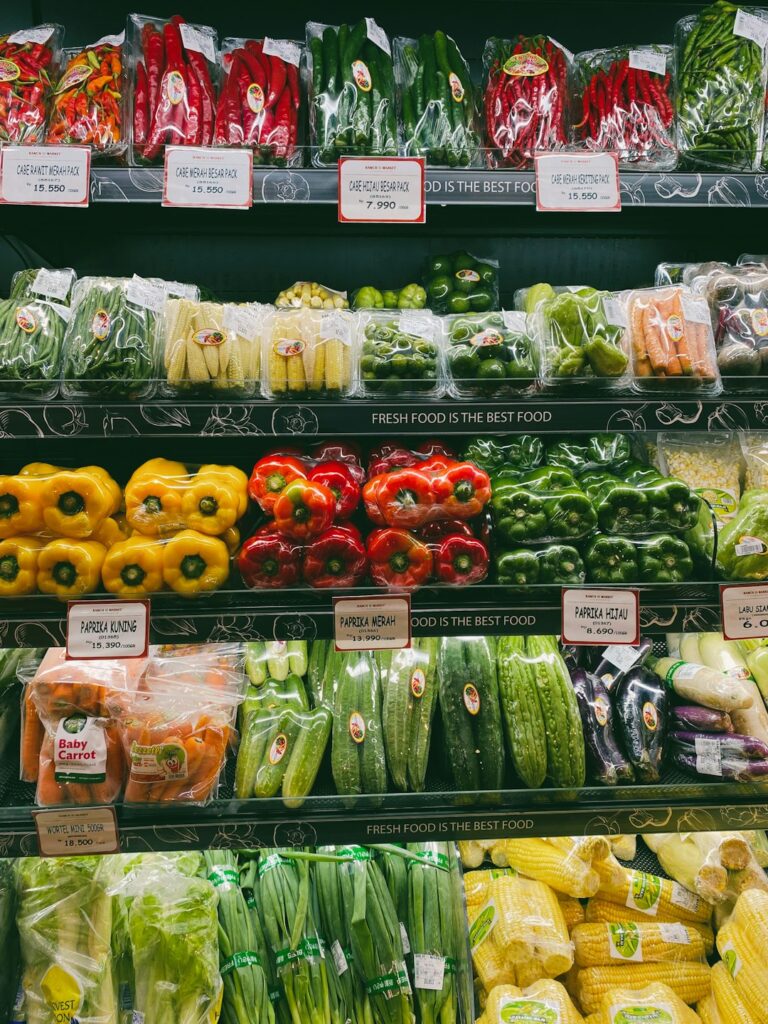
What Does “Organic” Mean in Food Choices?
Organic foods are produced using methods that avoid most synthetic pesticides, artificial fertilizers, genetically modified organisms (GMOs), and certain additives. Certification standards in the United States are set by the USDA, and farms must undergo regular inspections to use the organic label. For residents of Central, LA, this often means produce or packaged items must display specific labeling to confirm they meet these stricter guidelines.
Organic farming practices prioritize soil health, biodiversity, and minimal use of chemicals. In local grocery stores, this distinction is usually found on shelf labels or product packaging. Understanding this label helps local families make informed decisions that match their preferences or health concerns.
Are There Health Benefits to Eating Organic?
Studies show that organic foods often have lower pesticide residues and a reduced risk of exposure to certain synthetic additives. However, research is mixed on whether they are significantly more nutritious than non-organic options.
For most Central households, the main health motivations for choosing organic include:
- Concerns about long-term exposure to pesticides, especially for young children or those with sensitivities
- Reducing intake of certain food additives and preservatives
While organic options can decrease exposure to some chemicals, both organic and non-organic foods must comply with safety standards for residue levels in the United States. Washing fruits and vegetables—organic or otherwise—remains a useful habit.
How Do Prices of Organic and Non-Organic Foods Compare Locally?
Shoppers often notice organic foods are more expensive. In Central, pricing differences can be more noticeable for fresh fruits, vegetables, dairy, and meats. This is due to labor-intensive farming practices, certification costs, and sometimes shorter supply chains.
Price examples that many local families see:
- Organic apples or berries often cost 20–50% more than non-organic versions, especially when not in season locally
- Organic milk or eggs have a higher shelf price due to animal welfare requirements and feed standards
Budget-conscious shoppers often find that locally grown, in-season produce—organic or not—tends to be most affordable and fresh.
What About Pesticides and Food Safety?
Both organic and non-organic farmers manage pests and disease, but they use different methods. Organic growers can only use a limited set of approved pesticides, often derived from natural sources, and are typically required to use these only after other options (like crop rotation or physical barriers) have been tried.
Pesticide residues on non-organic foods are generally within federal safety limits, but organic products usually test lower for these residues. Organic does not mean completely pesticide-free, but it does limit what can be used and how often.
For local residents concerned about pesticides:
- Peeling or washing produce helps remove some residue
- Check seasonal reports (such as the Environmental Working Group’s “Dirty Dozen”) for items most likely to carry residues, and consider organic for those
Is There a Difference in Environmental Impact?

Organic farming is designed to promote soil health, water conservation, and reduced chemical runoff. Fields may be smaller, rely on crop diversity, and use compost instead of synthetic fertilizers. In rural or semi-rural parts of Central, these methods can also mean more support for smaller-scale farmers.
Non-organic agriculture often uses synthetic chemicals to maximize yields and can operate on a larger scale, but modern food safety regulations exist regardless of method. Shoppers interested in environmental impact may also want to consider packaging, transportation distance, and food waste alongside just the organic/non-organic question.
Are There Taste or Quality Differences?
Some residents claim taste differences, especially with fresh fruits, vegetables, or eggs. Factors such as freshness, ripeness at harvest, and local sourcing often have a bigger effect on taste than whether something is organic.
The climate in Central means seasonal produce tends to be fresher, whether organic or not. Community feedback suggests locally sourced foods—when available—often taste better simply because they travel a shorter distance from farm to table.
How Can Shoppers Identify Organic Foods in Central Stores?
Look for the USDA Organic seal on packaging or shelf tags. In grocery stores throughout Central, organic produce typically appears in its own section, and packaged goods are clearly labeled. Farmers’ markets may list whether items are certified organic; however, some local growers may follow organic practices but lack official certification due to cost or scale.
When in doubt, ask about growing practices and check for official labels. Remember, organic certification is a regulated process; not all “natural” labels mean the same thing.
Should Local Families Always Buy Organic?
There’s no single answer. For some Central households, buying organic is about reducing certain exposures or supporting farming practices that match their values. For others, availability, cost, or taste is most important.
Practical tips for grocery shopping in the area:
- Buy organic versions of foods most likely to carry pesticide residues, if this is a concern
- Prioritize seasonal and local produce for both cost and quality, regardless of certification
- Wash and prepare all fresh foods thoroughly
Local families can feel confident creating a mix of organic and non-organic foods that best suits their needs without feeling pressured toward one option exclusively.