

 See My Latest Article on HelloNation
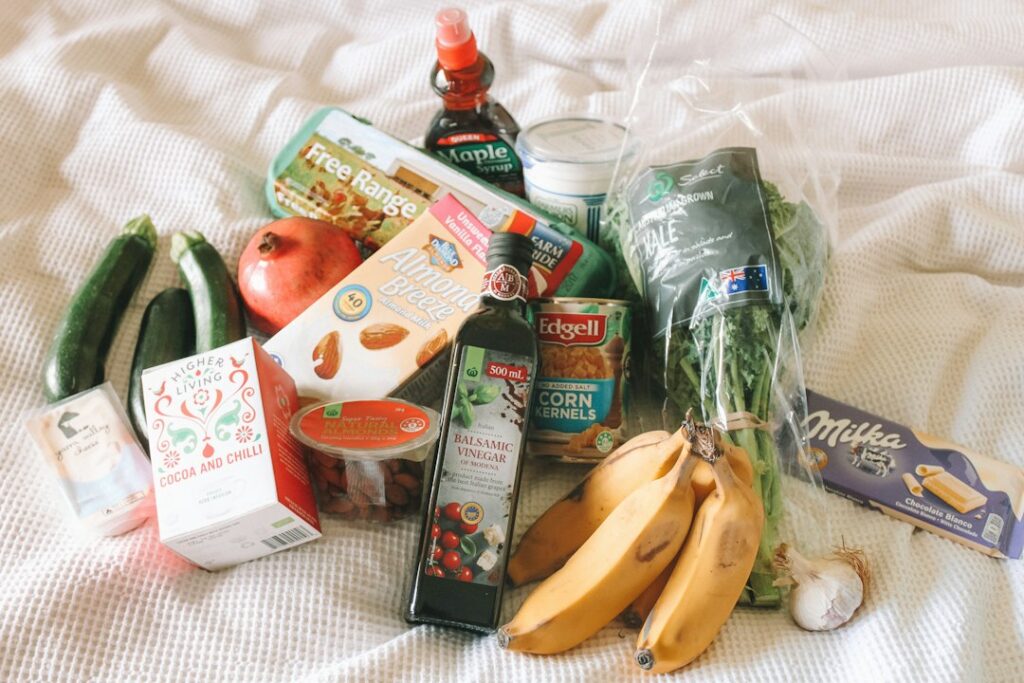
Healthy snacks do not require specialty ingredients, expensive products, or complicated recipes. For households in Central, LA, a few dependable grocery staples—such as fruit, vegetables, beans, eggs, oats, yogurt, nuts, and whole-grain foods—can be combined into filling snacks with a useful balance of fiber, protein, and healthy fats.
What makes a snack both healthy and satisfying?
A satisfying snack usually combines at least two types of nutrients rather than relying on a single food. Fruit supplies carbohydrates and fiber, while yogurt, nuts, eggs, beans, or cheese can add protein and fat that help a person stay full longer.
A practical formula is:
- Produce: fresh, frozen, or unsweetened canned fruit and vegetables
- Protein: eggs, beans, yogurt, cottage cheese, tuna, nuts, or seeds
- Whole-grain carbohydrate: oats, whole-grain bread, crackers, or popcorn
- Flavor and moisture: salsa, cinnamon, lemon juice, herbs, or a small amount of nut butter
This approach also makes snacks easier to adapt for children, adults, and different appetites. A smaller portion may be enough between meals, while a more substantial combination can help someone who has a long gap before dinner.
Which grocery staples work well for quick snacks?
The most useful staples are foods that can be eaten with little preparation or combined in several ways. Keeping a few options from each category available reduces the temptation to rely on highly processed snack foods.
Produce staples
- Bananas, apples, oranges, grapes, and pears
- Baby carrots, cucumbers, bell peppers, and cherry tomatoes
- Frozen berries or mango pieces
- Unsweetened applesauce
- Canned fruit packed in water or its own juice
Protein staples
- Eggs
- Plain or lightly sweetened yogurt
- Cottage cheese
- Canned beans
- Hummus
- Peanut or other nut butter
- Unsalted nuts and seeds
- Canned tuna or salmon for savory snacks
Whole-grain staples
- Oats
- Whole-grain bread
- Whole-grain crackers
- Popcorn kernels
- Brown rice cakes or similar grain-based foods
Frozen and shelf-stable items can be especially useful during hot, humid weather, when households may prefer foods that require little cooking. Frozen fruit can also provide a cold snack without depending on sweetened frozen desserts.
What are easy sweet snacks without much added sugar?
A sweet snack can be built around naturally sweet foods instead of candy, pastries, or heavily sweetened drinks.
Banana and peanut butter
Slice a banana and add a small amount of peanut butter. The banana provides carbohydrate and fiber, while the nut butter adds protein and fat. For a different texture, place the slices on whole-grain toast.
Yogurt with fruit and oats
Top plain yogurt with berries, diced peaches, a sliced banana, or a spoonful of oats. Cinnamon can add flavor without extra sugar. If using flavored yogurt, compare labels because added sugar can vary considerably between products.
Apple slices with cinnamon
Slice an apple and sprinkle it with cinnamon. Add a small amount of nut butter if more staying power is needed. Apples do not need to be peeled for most people, and the skin contributes fiber.
Oat and fruit cups
Combine oats, milk or yogurt, and chopped fruit in a container. Refrigerate until the oats soften. This can be prepared in advance for a cool snack on a busy afternoon.
Frozen fruit bites
Freeze grapes, berries, banana pieces, or mango chunks in a single layer. Frozen fruit is refreshing during warm weather, but it should be cut into appropriate sizes for young children to reduce choking risk.
What are good savory snack ideas?
Savory snacks can help people eat more vegetables and use leftover ingredients before they spoil.
Hummus and vegetables
Serve hummus with carrots, cucumber rounds, bell pepper strips, or whole-grain crackers. If hummus is not available, mashed beans seasoned with lemon juice, garlic powder, or paprika can provide a similar spread.
Egg and toast
A hard-boiled egg with whole-grain toast is a simple protein-rich option. Hard-boiled eggs should be refrigerated promptly and used within a reasonable period rather than left at room temperature.
Bean salsa cups

Mix drained beans with diced tomatoes, corn, onion, and a small amount of salsa. Eat the mixture with whole-grain crackers or spoon it into lettuce leaves. Rinsing canned beans can reduce some of the excess sodium.
Cottage cheese with vegetables
Cottage cheese pairs well with tomatoes, cucumbers, black pepper, or sliced fruit. Choose a lower-sodium version when available if sodium intake is a concern.
Homemade popcorn
Popcorn kernels prepared on the stovetop or in an air popper can be a high-fiber snack. Use a modest amount of oil and season with herbs, paprika, garlic powder, or a light sprinkle of salt. Popcorn is not appropriate for very young children because of its choking hazard.
How can snacks be made healthier without making them complicated?
Small preparation choices often matter more than finding a perfect recipe. Keep washed vegetables in a visible container, portion nuts into small containers, and place fruit where it is easy to reach. Foods that require several steps are less likely to be chosen during a busy afternoon.
Portioning is also useful for calorie-dense foods. Nuts, seeds, nut butter, cheese, and dried fruit can fit into a healthy eating pattern, but small amounts are often enough. Dried fruit is more concentrated than fresh fruit and may contain added sugar, so check the ingredient list when selecting it.
For packaged foods, compare:
- Added sugar
- Sodium
- Fiber
- Protein
- Serving size
- The length of the ingredient list
A product does not have to be perfect to be useful. A plain whole-grain cracker with a bean dip may be a practical choice even if it contains some sodium. The overall combination and portion are more helpful considerations than judging one food in isolation.
How can families prepare snacks for hot weather?
Warm conditions can affect food safety and appetite. Perishable snacks such as yogurt, cut fruit, eggs, cheese, and hummus should be kept cold and should not sit out for long periods. Use an insulated lunch bag with a cold pack when snacks must travel.
For outdoor activities, choose foods that hold up well:
- Whole fruit that does not bruise easily
- Individual portions of unsalted nuts for those without allergies
- Whole-grain crackers
- Shelf-stable applesauce
- Water and chilled fruit
- Fresh vegetables packed in a cold container
Water is generally a better everyday beverage choice than sweet tea, soda, or fruit drinks. During especially hot conditions or extended physical activity, hydration needs may increase, but sugary beverages do not need to be the default snack accompaniment.
What common snack mistakes should be avoided?
A snack labeled “natural,” “low-fat,” or “multigrain” is not automatically filling or low in added sugar. Checking the nutrition facts panel gives a clearer picture than front-of-package wording.
Another common mistake is treating snack foods as unlimited because they seem healthy. Trail mix, granola, nut butter, avocado, and cheese provide valuable nutrients but are energy-dense. Measuring a portion at home can make it easier to understand how much is being eaten.
Skipping protein can also lead to quick hunger. Fruit alone may be enough for some people, but pairing it with yogurt, nuts, cheese, or beans can make the snack more substantial.
How can grocery staples support different dietary needs?
People managing diabetes, food allergies, kidney disease, high blood pressure, or other medical conditions may need individualized guidance. General snack ideas may not fit every dietary plan.
For everyday households, useful adjustments include choosing unsalted nuts and beans, selecting plain dairy products, using whole fruit instead of juice, and offering allergy-safe alternatives when sharing food. Peanut butter, tree nuts, dairy, eggs, wheat, soy, and sesame are common allergens, so ingredients should be checked carefully when preparing snacks for children or groups.
The most practical snack routine is one that matches the household’s schedule, budget, storage space, and cooking habits. A few versatile staples can provide many combinations without requiring elaborate meal preparation.